

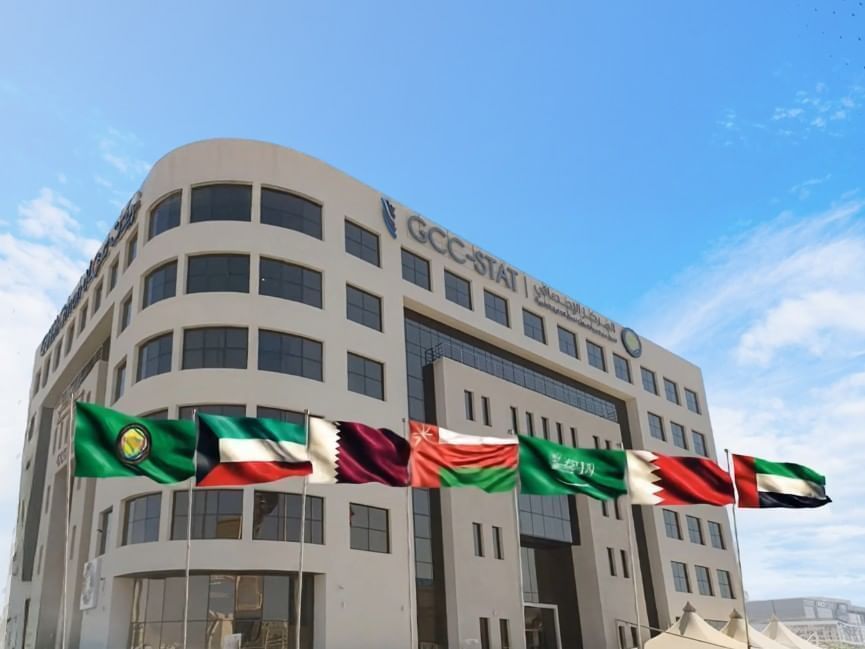
MUSCAT, 27th September, 2026 (WAM) — The report on Strategic Tourism Ambition in the Gulf Cooperation Council (GCC) Countries, issued by the GCC Statistical Centre (GCC-Stat), indicated that the direct and indirect economic value of tourism in the GCC countries rose to approximately US$254.7 billion in 2025, compared with US$11.7 trillion globally.
The number of tourism-related jobs in the GCC countries reached approximately 4.5 million, compared with around 371 million globally, while tourism’s contribution to gross domestic product (GDP) and employment, as well as the sector’s growth rates in the GCC, stood at competitive levels compared with global averages.
The report, which examines the sector’s ability to withstand geopolitical tensions, recovery pathways and the economic outlook through 2035, showed that the GCC tourism sector had made tangible progress towards achieving the targets of the Gulf Tourism Strategy 2022–2030, with average progress towards the six strategic objectives reaching approximately 73.8% by 2025, driven by sustained growth in visitor numbers and tourism spending, an increase in the sector’s contribution to GDP, and growth in direct employment opportunities.
The report measures progress towards six key objectives of the Gulf Tourism Strategy: increasing the number of inbound trips, direct travel and tourism GDP, inbound tourist spending, the sector’s share of GDP, domestic tourist spending and direct employment.
By 2030, the strategy aims to attract 128.7 million visitors, raise direct travel and tourism GDP to US$145.8 billion, increase inbound tourist spending to US$188 billion, raise the sector’s direct contribution to GDP to 6.5%, increase domestic tourist spending to US$49 billion, and bring the number of direct jobs to approximately 2.9 million.
For inbound visitor numbers, the total reached 89.9 million in 2025, representing 69.9% of the 2030 target of 128.7 million visitors. The number grew by 3.1% between 2024 and 2025, while average annual growth over the 2019–2025 period was approximately 29.4%, taking into account the impact of the COVID-19 pandemic on the trajectory of this indicator.
In terms of inbound tourist spending, total expenditure rose to US$131.9 billion in 2025, achieving 70.2% of the 2030 target of US$188 billion. It recorded growth of 9.7% in one year and average annual growth of 17.5% over the 2019–2025 period.
As for domestic tourism, domestic tourist spending reached US$42.9 billion in 2025, achieving 87.6% of the 2030 target of US$49 billion. Spending grew by 6.2% between 2024 and 2025, while average annual growth over the 2019–2025 period was approximately 20.3%.
Direct travel and tourism GDP in the GCC countries reached US$101.7 billion in 2025, achieving 69.8% of the 2030 target of US$145.8 billion, with annual growth of 8.8% between 2024 and 2025 and average annual growth of 15.9% over the 2019–2025 period.
The travel and tourism sector’s contribution to the GCC countries’ GDP also rose to 4.6% in 2025, achieving 70.8% of the 2030 target of 6.5%. This contribution grew by 7% between 2024 and 2025, while average annual growth over the 2019–2025 period was approximately 7.2%.
In the labour market, total direct employment in the travel and tourism sector reached 2.2 million jobs in 2025, achieving 74.7% of the 2030 target of approximately 2.9 million jobs, with annual growth of 5.6% between 2024 and 2025 and average annual growth of 4.9% over the 2019–2025 period.
These indicators strengthened the international standing of the tourism sector in the GCC countries, whose share of total international tourism reached 5% in 2025, while their share of global tourism receipts stood at 6.9%. This reflects the region’s expanding presence in the global tourism market and the sector’s growing economic impact.
In terms of ease of international mobility, the report indicated that the GCC countries occupy the top six positions among Arab countries for passport strength, according to the Henley Passport Index 2026. Compared with 2016, GCC passports recorded cumulative improvements in their rankings ranging from 6 to 36 places as of 16 July 2026.
Source: Emirates News Agency