

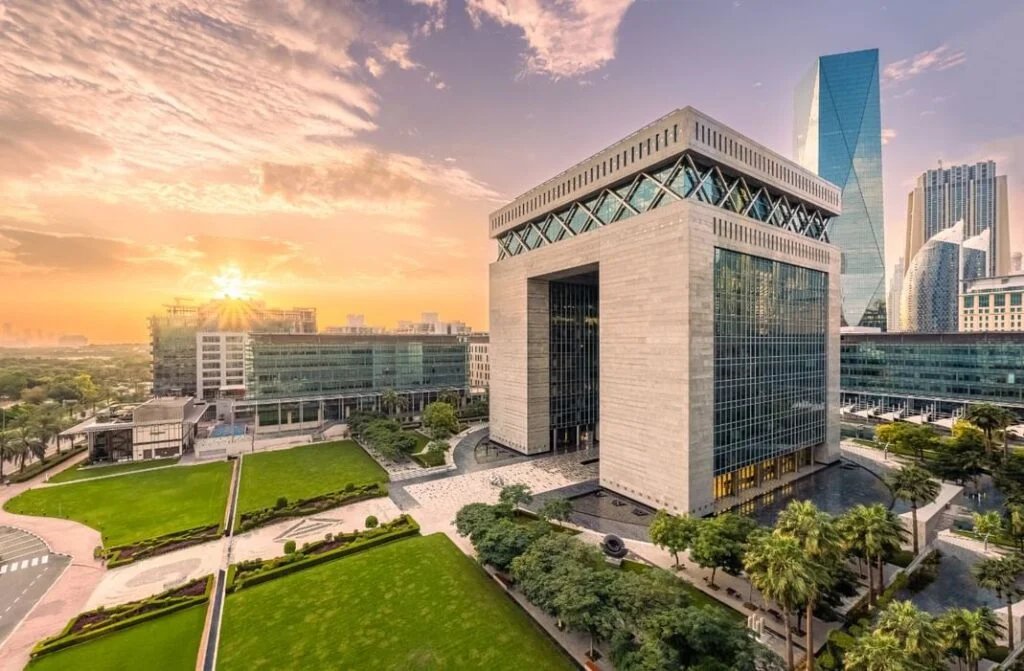
DUBAI, 17th June, 2026 (WAM) — Dubai International Financial Centre (DIFC) on Wednesday launched the second report in its 2026 Future of Finance series. The report underscored that resilience, rather than size or legacy, will define long-term success for banks navigating disruption.
The Changing Face of Banking: Building Resilience Through Change report examined how global banks must adapt their operating models to absorb disruption, evolve, and remain resilient amid AI, digital-native challengers, and shifting global demand.
Built on AI-driven, cloud-first and asset-light models, challenger banks are setting new standards for speed, personalisation and cost efficiency – and in doing so, exposing the limitations of traditional operating models. Their rapid growth is reinforcing pressures on established institutions, accelerating a shift in which both sides must innovate faster to stay competitive.
Without decisive transformation, industry profit pools could fall by US$170 billion by 2030, pushing many institutions below their cost of capital, the report said.
The report emphasised that AI offers the clearest path out of this conundrum. Rapidly becoming core infrastructure, AI is already delivering the productivity uplift the sector urgently needs and building the foundation of the next-generation operating model that digital native banks have turned into the industry’s new template.
Arif Amiri, Chief Executive Officer at DIFC Authority, said, “As the global banking industry undergoes its most significant transformation in nearly two decades, institutions must embrace innovation, resilience and adaptability to thrive in a rapidly evolving financial landscape shaped by AI, digital assets and shifting global markets.
“In Dubai and specifically at DIFC, we are committed to enabling this transformation through a future-focused ecosystem that connects global institutions to high-growth opportunities across the Middle East, Africa and South Asia, while supporting banks in building the agility and resilience needed for the future.”
As the second in a four-part series on the Future of Finance that will be published over the course of 2026, the report drew on insights from a high-level roundtable held at the centre at the start of the year, which brought together senior financial services leaders.
The report featured insights from the roundtable which have been augmented by network-based research, along with interviews with distinguished industry experts, including: Ambareen Musa, CEO of GCC, Revolut; Rohit Garg, Chief Digital Officer and Group Head, Retail Products, Emirates NBD; and Fernando Morillo, Group Head of Retail Banking, Mashreq.
The report identified that banks moving early and decisively will not only defend profitability but unlock new client groups, new regions and frontier asset classes. In doing so, they position themselves to capture a larger share of global finance.
Banks are likely to use jurisdictions with supportive regulation to pilot new services and test model accuracy and governance in a controlled environment before scaling them across the region. As the world’s first AI native financial centre, DIFC is integrating intelligence into regulatory processes and market infrastructure, enabling firms to build, test and scale AI-driven financial services.
An integral part of the DIFC ecosystem are 290 banks and capital markets firms, including 17 of the world’s 19 global systemically important banks, reinforcing DIFC’s role as a strategic base for institutions navigating structural change.
DIFC’s new report revealed that entrepreneurs, family offices, and women represent influential banking clients whose distinct and evolving financial needs remain underserved. AI-driven insights and bespoke advisory backed by more accurate anticipation of client needs allow banks to deliver targeted, personalised offerings to these groups and unlock new revenue pools.
DIFC’s pro-innovation regulatory framework, robust laws, regulations, and market infrastructure position Dubai as a leading global capital hub. Supporting next-generation banking services, the centre showcases AI-enabled client engagement and new operating models tailored to evolving client needs, reinforcing DIFC’s role as a global platform shaping the future of finance.
Source: Emirates News Agency