

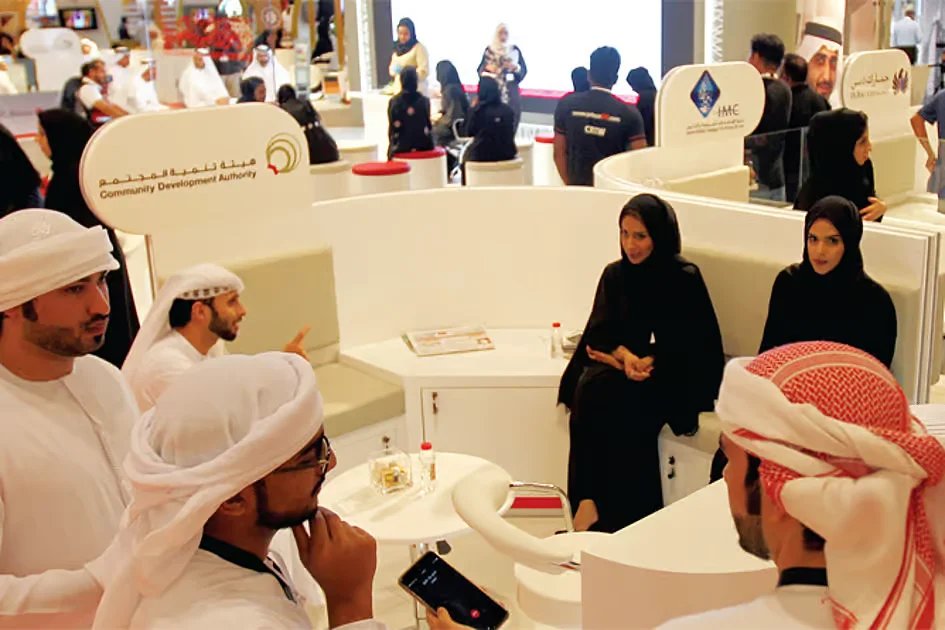
The new UAE rule requiring private healthcare facilities to reserve half of their annual Emiratisation targets for specialised healthcare roles could encourage more Emiratis to pursue careers in medicine and healthcare, as hospitals expand scholarships, training programmes and partnerships with universities.
The Ministry of Human Resources and Emiratisation (MoHRE) recently announced that private healthcare facilities with 50 or more employees must allocate 50 per cent of their annual Emiratisation targets to specialised healthcare jobs. Compliance checks will begin from 2027.
Healthcare leaders said that the move could open more doors for Emiratis in professions such as medicine, nursing, pharmacy and allied health, while helping build a stronger healthcare workforce for the future.
Stay up to date with the latest news. Follow KT on WhatsApp channels.
Dr Kishan Pakkal, CEO of International Modern Hospital (IMH) Dubai, described the move as a very positive and forward-looking initiative.
“Healthcare is a critical sector that requires a strong pipeline of skilled professionals, and encouraging greater Emirati participation will help build a sustainable national healthcare workforce for the future,” he said.
He added that the new rule would create opportunities for Emiratis not only in administrative jobs, but also in clinical and allied health professions, giving them long-term career opportunities in healthcare.
Burjeel Holdings said it has already been working to increase Emirati participation in specialised healthcare roles through recruitment, training, internships and partnerships with educational institutions.
Dr Tahani Abdo Ahmed Alqadiri, associate vice president of Burjeel Training Academy, said the company was encouraged by the growing number of Emiratis entering healthcare professions.
“We are particularly encouraged by the increasing number of Emirati graduates entering nursing and allied health careers,” she said.
Burjeel currently employs more than 1,000 UAE nationals across its healthcare network, including doctors, nurses, pharmacists and allied health professionals.
However, Dr Alqadiri mentioned that specialised healthcare jobs require years of study, licensing and hands-on training.
“While the number of Emirati healthcare graduates is increasing every year, continued investment in education, training, licensing support and career development will be required to meet future workforce needs,” she said.
NMC Healthcare said it had anticipated the growing need for Emiratis in clinical roles and had already introduced programmes to support students interested in healthcare careers.
“We proactively planned ahead by identifying key clinical roles suitable for UAE Nationals and introduced scholarship opportunities for students pursuing healthcare-related majors,” said Zainab Abdul Ameer, vice president of Emiratisation at NMC Healthcare.
The group has also signed agreements with universities and colleges offering healthcare programmes to encourage students to join the sector after graduation.
NMC currently employs more than 400 UAE nationals in clinical roles. Abdul Ameer said some healthcare fields still have a shortage of Emirati professionals, including speech therapy, specialised physiotherapy and paediatric neurology.
She added that long working hours, shift duties and concerns about career growth can make it difficult to attract and retain Emiratis in some healthcare professions.
Aster DM Healthcare also welcomed the new requirement, saying it would strengthen the country’s healthcare workforce in the long run. Jacob Jacob, group chief human resources officer at Aster DM Healthcare, said the company currently employs 692 Emiratis across its facilities, including 33 nurses, 21 allied health professionals and three doctors in clinical roles.
“These figures reflect solid progress. They also highlight a clear opportunity to further strengthen Emirati presence in specialised clinical pathways through targeted development and early career support,” he said.
Jacob added that specialised healthcare careers require long years of study and training, making it important to support Emiratis from education through to professional practice.
He said more scholarships, clinical training and residency opportunities would help meet the country’s future healthcare needs.
According to MoHRE, more than 8,800 Emiratis were employed in the private healthcare sector by the end of 2025, with women making up 82 per cent of the workforce.
Healthcare leaders said the new rule, together with scholarships, internships and training opportunities, could encourage more young Emiratis to enter healthcare professions and help meet the UAE’s growing healthcare needs in the years ahead.
Source: Khaleej Times