

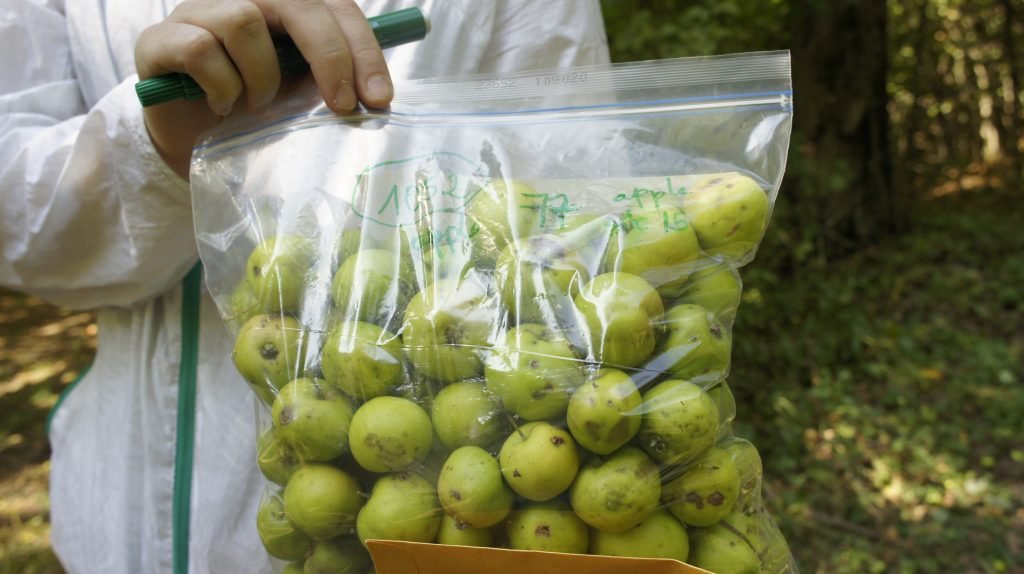
ABU DHABI, 21st April, 2026 (WAM) — Researchers at NYU Abu Dhabi, in collaboration with international partners, have uncovered new insights into how apples became the fruits we know today, showing that their evolution has been shaped by continuous exchange with wild apple trees.
In a study published in Current Biology, the research team compared cultivated apples with their wild relatives from Europe and Asia. Their findings revealed that apples are not the product of a simple domestication process. Instead, they have evolved through ongoing interactions with wild species, which have left a lasting imprint on their DNA.
The study showed that as apples spread across regions, they repeatedly exchanged traits with wild trees.
These interactions played a key role in shaping key characteristics such as flavour, disease resistance, and adaptability to different environments. The researchers also found that different types of apples, including dessert and cider varieties, followed distinct evolutionary paths, highlighting the complexity and diversity within a single crop.
“Apples are the result of a long and ongoing relationship between cultivated trees and their wild relatives,” said NYU Abu Dhabi Associate Professor of Biology and lead author Amandine Cornille. “This continuous exchange has helped maintain their diversity and resilience over time.”
Importantly, the findings highlighted that wild apple trees are not just part of the past; they remain a critical resource for the future. Wild populations contain valuable traits that could help scientists and farmers develop new apple varieties better suited to withstand disease and a changing climate.
Beyond apples, the research suggested that other fruit trees may have followed similar evolutionary paths, relying on exchanges with wild relatives to survive and thrive.
Overall, the study underscored the importance of protecting wild fruit tree populations and using their genetic diversity to support more sustainable and resilient agriculture in the years ahead.
Source: Emirates News Agency