

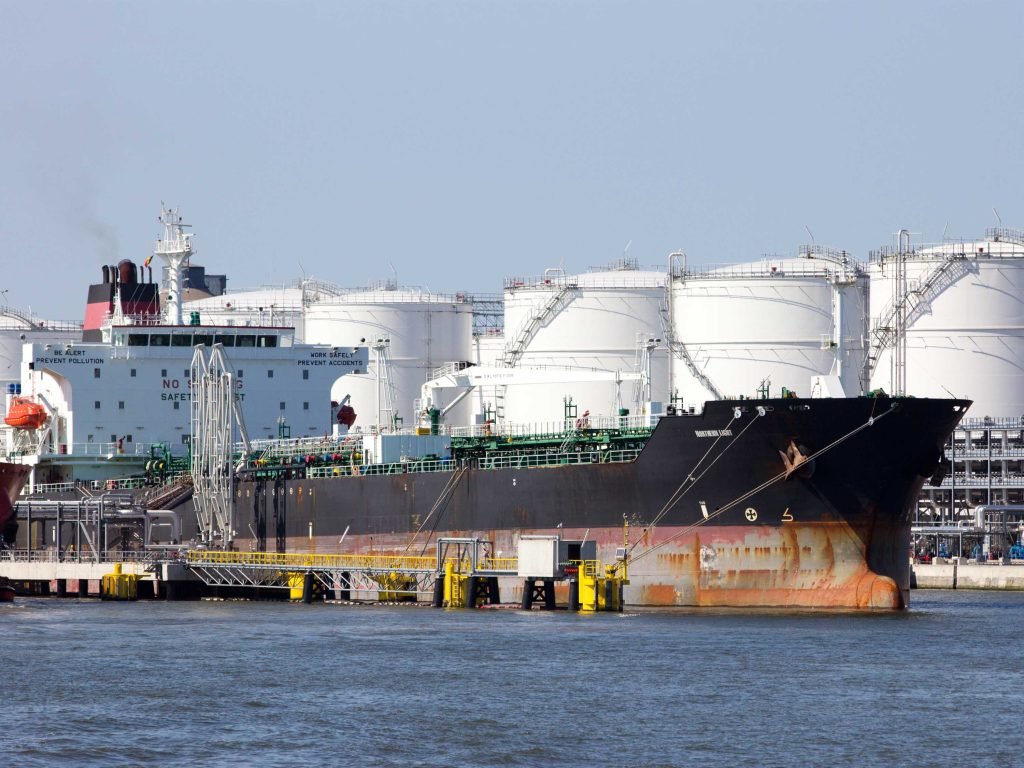
BRUSSELS, 6th June, 2026 (WAM) — While the EU has responded to the latest fossil fuel crisis by limiting fossil fuel imports, a trio of states have “deepened their exposure by increasing them”.
However, the EU still spends billions of euros on fossil fuel imports – and has increased its dependency on its two largest liquid natural gas (LNG) suppliers, the US and Russia.
A new analysis by the Institute for Energy Economics and Financial Analysis (IEEFA) showed that EU imports of LNG have dropped by 1.2 percent since March and continue to decline. In the UK, LNG imports decreased by 20 percent during the same period. Together, this represents a three percent reduction.
“The EU has realised that its 2022 decision to boost LNG imports is no longer sustainable,” said IEEFA Energy Analyst Ana Maria Jaller-Makarewicz. “Supply constraints have prompted a reduction in LNG imports, highlighting the imminent need for further gas demand reduction to avoid jeopardising the bloc’s energy security.”
While many EU members have responded to the latest fossil fuel crisis by limiting LNG imports, others have “deepened their exposure by increasing them”, said Jaller-Makarewicz.
Germany’s LNG imports surged 72 percent year-over-year from March to May 2026, the sharpest increase among all EU countries. Italy – which risks missing its 2030 emissions target – and Belgium have also increased LNG imports over the last year.
IEEFA’s analysis also found that US and Russian LNG dependency continued during the first 100 days of war in the Middle East.
The US accounted for 60 percent of the EU’s LNG imports during this period, up from 56 percent year-on-year.
The increase in fossil fuel import costs, along with more than 210 emergency measures adopted by member states, has left the EU with a €60 billion energy bill from the war.
Homegrown renewables have often been touted as the best way to reduce the EU’s fossil fuel dependency. Last year, clean energy saved the EU €51 billion by cutting polluting imports, with solar and wind leading the way.
European households are also turning to electrification to shelter themselves from spiralling energy prices. Heat pump sales jumped 25 percent in France, Germany and Poland in the first months of this year, while UK energy firm Octopus Energy witnessed sales in the first three weeks of March increase by 51 percent compared to the same period the month before.
Multiple car marketplaces across Europe have seen a surge in interest in electric vehicles (EVs), while UK government data showed that more than 27,000 solar installations were completed in March 2026, the highest monthly total since 2012.
Source: Emirates News Agency