

From the bustling streets of Tokyo to the stoic alleys of Kyoto, Japan has long boasted a culture beloved for its blend of modernity and tradition, offering a unique experience that attracts tourists from all corners of the world. For many, the sights boast a sense of familiarity born from a relatively modern phenomenon- the popularity of anime, or Japanese cartoons, which heavily feature real-life locations in their stories. Indeed, while such destinations harbor profound histories in their own right, anime’s increased popularity in recent years has attracted foreign visitors hoping to visit areas featured in their favorite shows, resulting in a modern form of set-jetting travel known as “anime tourism”.
This sudden surge of travelers includes fans from the Middle East, many having grown up alongside the adventures of Adnan, Majid, and Conan. In return, local businesses and prefectural initiatives endeavor to attract international travelers through collaborative initiatives with pop cultural media, resulting in a unique blend of cultural exchange that defines a new, more modern age of travel.
The city of Morioka in the northern Iwate prefecture is one such vibrant location. Located about two and a half hours from Tokyo via bullet train, Morioka is a scenic city nestled among the mountains, known for its intricate ironware and delectable noodle dishes, known as ‘wanko soba’. Morioka is also famous among fans of anime as one of the pivotal cities featured in the hit series “March Comes in Like a Lion” by author Umino Chica, a coming-of-age tale of Kiriyama, a young prodigy of “shogi”, a traditional Japanese board game akin to chess.
In 2017, the series received a critically acclaimed movie adaptation filmed in Morioka’s very own Nanshoso gardens, one of Japan’s most prestigious national monuments. Built in 1885 by businessman Yasugoro Yorikawa, entering Nanshoso is like stepping into the very scenes featured in the magical worlds of animation. From the intricately crafted traditional ‘ranma’ (panels on Japanese doors) to the more modern floorboards that reflect the sun rays of the exquisite Japanese garden, everything in Nanshoso speaks volumes about the history housed in its dwelling. Around the interior of the centuries-old building, English guidebooks provide an insight into the profound history of the property, which was subject to extensive Western influence, resulting in a unique blend of two cultures. Tourists enjoy delicious wagashi, or traditional Japanese sweets, while overlooking the very same garden the characters of March Comes in Like A Lion stepped into, providing a blend of the 2D and 3D world which characterizes anime tourism’s unique appeal.
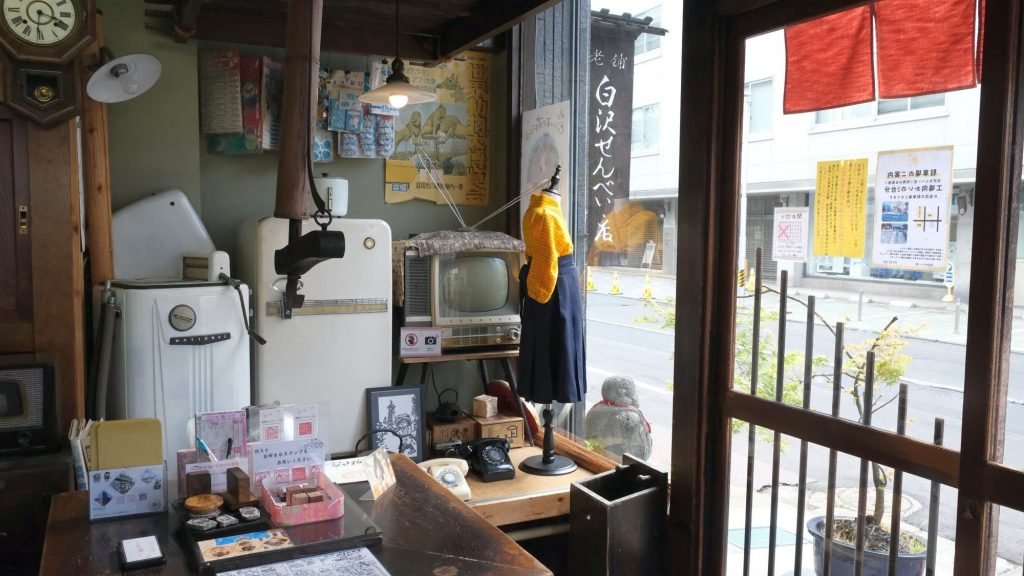
Certainly, the marriage between traditional Japanese architecture and modern pop cultural media is an extraordinary experience, and the city of Morioka prides itself in this. A short walk away from Nanshoso is Shirasawa Senbeiten, another traditional spot attracting anime fans heading towards the northern city. Shirasawa Senbeiten is a Nambu rice cracker store with a long history, celebrating 90 years of business, and the store’s traditional architecture, preserved across the decades, serves as a testament to its legacy. In recent years, however, Shirasawa Senbeiten revitalized itself amongst the younger generation and foreigners alike by collaborating with various Japanese anime series to provide exclusive products, showcasing how Japanese fictional stories can have direct tangible effects on the real world.
But Morioka is not the only city in Tohoku to attract foreign fans of Japanese animation. In fact, the region’s biggest city, Sendai, is home to many world-famous comic book authors such as Haruichi Furudate of Haikyuu!! fame and Hirohiko Araki, the creator of JoJo’s Bizarre Adventure. For ardent fans of either series, a visit to Sendai in Miyagi prefecture is a treat like no other, as various initiatives have been launched to commemorate the close connection between the creators and the cities that have inspired their works.
As a massive metropolitan city, there is no shortage of activities in Sendai, and that includes many recognizable brands popular in the heart of Tokyo. What makes Sendai’s spin unprecedented, however, is the anime tourism factor, which has led to increased interest in otherwise commonly accessible brands. MOS burger, one of Japan’s most popular fast-food chains, is one such example, as unlike any other branch across the country, Sendai’s location provides unique photo spots with the Haikyuu!! characters, inviting fans to dine with their favorite heroes. Likewise, popular stores commonly found in Tokyo and Osaka pepper the Hapina Nakakecho shopping street, but the inclusion of Haikyuu!! Special merchandise in Sendai serves to attract international guests from abroad to Tohoku’s famous city.
The connection of anime to Sendai is not limited to shopping. Various tourist spots, including the Sendai City Museum, have commemorated Haikyuu!!’s cultural popularity by installing special statues and exhibits to showcase the series, with never-before-seen artworks unique to the region. These factors combined all serve as another testament to anime’s continued rise in popularity on a global scale and the reverence such locations have for these works, which have now become a part of Japanese culture’s robust historical archive.
In the prefecture of Niigata, close by, the Niigata Manga Animation Museum has equally put great effort into attracting anime fans by offering a newfound way to interact with the animated medium. The museum offers visitors the opportunity to become a part of animation itself by providing educational ways of creating their own works, from the touch of a pen to the recording of the character voices. Adjacent to the museum, the Manga House, nestled at the end of the Mizushima Shinji Manga Street with its extensive library of comic works, is a collector’s dream. Of such manga, a title known as “Altair: A Record of Battles” finds its origin in Niigata, the hometown of author Kato Kotono. Featuring a poignant battle story in the backdrop of Islamic-inspired architecture, Altair is an example of a work born from the marriage of Japanese pop media and Middle Eastern culture, both of which can ultimately be enjoyed through the lens of anime tourism.
Anime and Japanese comics as art forms have become synonymous with cultural exchange, and such seeds were planted long ago during the days of Sindibad’s adventures and Captain Majid’s feats on the football field. It comes to no surprise, then, that such love for the medium has channeled itself in the traveling habits of Middle Eastern tourists, showcasing how fictional works can have a real-life, tangible impact on our world. To be sure, Japan has sought to understand the Arab traveler, ultimately showcasing how fiction can strengthen the ever-growing bond between both regions like never before.