

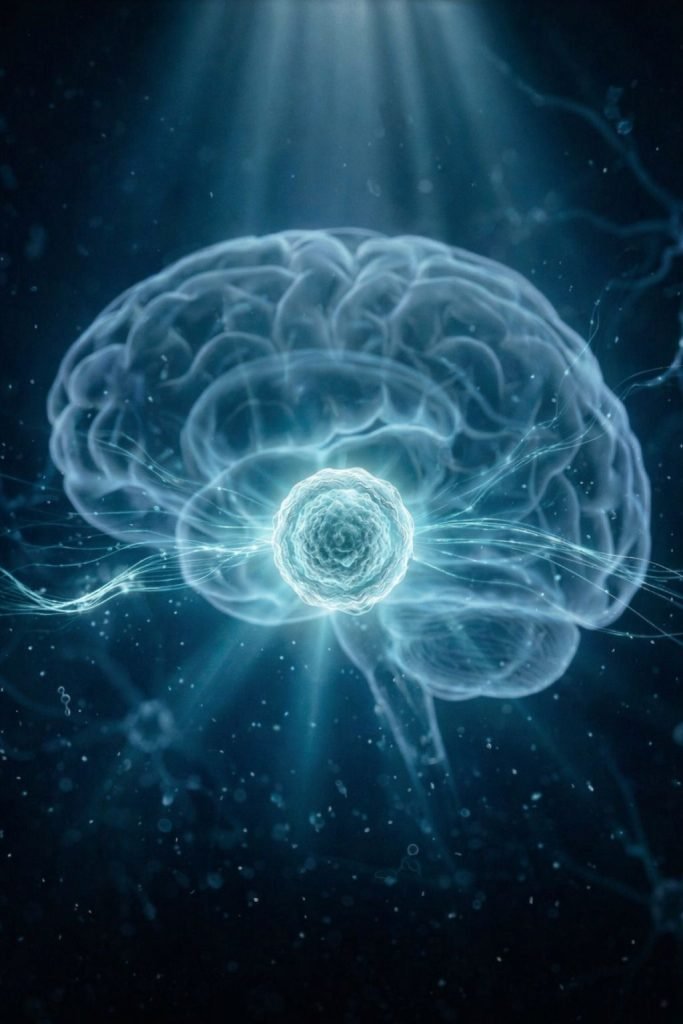
ABU DHABI, 5th April, 2026 (WAM) — Abu Dhabi Stem Cells Center (ADSCC) has announced a new scientific milestone in regenerative medicine with the development of an advanced technique to generate brain stem cells derived from a patient’s own cells, a breakthrough that positions Abu Dhabi as the first center in the Middle East to join a select group of leading global institutions advancing this promising approach to treating neurological diseases.
The achievement comes at a time when leading research institutions in the United States, Europe, and Asia are exploring similar technologies. However, strong government support and strategic investment in scientific research in the United Arab Emirates have accelerated the development of these techniques and their potential translation into future medical applications.
The process begins with a small sample taken from a patient’s skin or blood. Using advanced virus-free cellular reprogramming techniques, these cells are returned to an early developmental stage known as pluripotency. At this stage, the cells regain the remarkable ability to develop into many different specialized cell types within the human body.
Through carefully designed scientific protocols, these pluripotent cells can then be directed to become neural cells, brain stem cells, cardiac muscle cells, liver cells, or other specialized cell types. Once reprogrammed, the cells are expanded under highly controlled laboratory conditions and guided to develop into specialized brain stem cells that could eventually be used to repair or replace damaged neural tissue.
Professor Angelo L. Vescovi, Professor of Cell Biology at the University of Milano-Bicocca and Senior Scientific Researcher at ADSCC, explained that reprogramming a patient’s own cells into neural stem cells represents one of the most promising directions in regenerative medicine.
“Using a patient’s own cells to generate neural stem cells offers an extraordinary opportunity for regenerative medicine,” he said. “This technology could open new pathways for developing future treatments aimed at repairing damaged brain and spinal cord tissues.”
This approach could potentially lead to future therapies for a number of complex neurological conditions that remain major challenges in modern medicine, including Parkinson’s disease, Alzheimer’s disease, amyotrophic lateral sclerosis (ALS), spinal cord injuries, and other neurological disorders.
One of the most important advantages of this technique is that the cells used for therapy originate from the patient themselves. This significantly reduces the risk of immune rejection following transplantation and may limit the need for long-term immunosuppressive medications often required in tissue transplantation procedures.
Researcher Fabio Miravina noted that developing virus-free cellular reprogramming techniques is a critical step from both a microbiological safety and clinical perspective.
“Ensuring that reprogramming methods are virus-free allows us to produce stem cells that preserve the patient’s genetic identity while meeting the stringent safety standards required for future medical applications,” he explained.
Looking ahead, Researcher Lorenzo De Rosa indicated that the next phase will focus on translating this scientific innovation from the laboratory into potential therapeutic applications.
“Our priority now is to scale up cell production, standardize laboratory protocols, and develop manufacturing processes that comply with international regulatory standards in preparation for future clinical applications,” he said.
This scientific advancement reflects the growing role of the United Arab Emirates in regenerative medicine and advanced cellular therapies. Through sustained investment in scientific research and medical innovation, the UAE continues to strengthen its position as an emerging global hub for life sciences.
Through initiatives such as this, Abu Dhabi aims to develop groundbreaking therapeutic technologies that could, in the future, help improve the lives of patients across the region and around the world.
Source: Emirates News Agency